Ancient Wisdom, Modern Science. An Evening with Ayurvedic Practitioner Michael Green
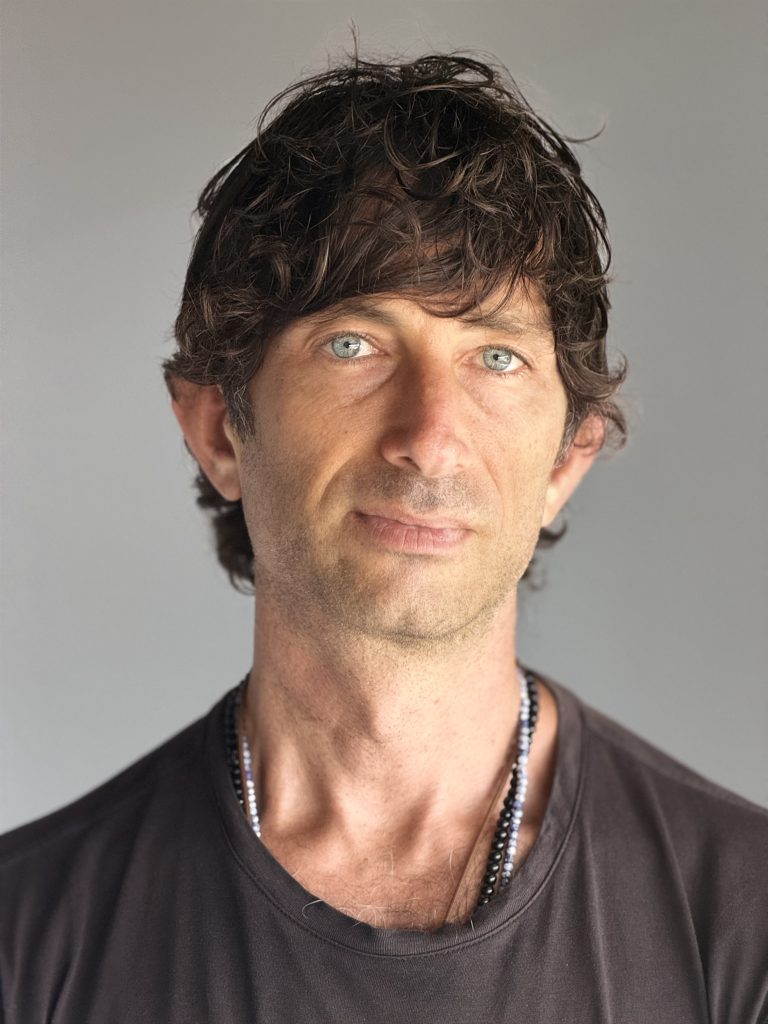
Michael Green is a certified Ayurvedic practitioner and mindfulness teacher, trained at the Southern California University of Health Sciences and UCLA’s Mindful Awareness Research Center. Based in Bali, he integrates Ayurveda, meditation, and traditional dharma practices to support holistic wellbeing.
Before Michael Green speaks about doshas, digestion or circadian rhythms, he makes the room laugh. “I aspire to always maintain a sense of humour and levity,” he says with a smile. “If you’re teaching without humour, it becomes a dry, boring lecture.”
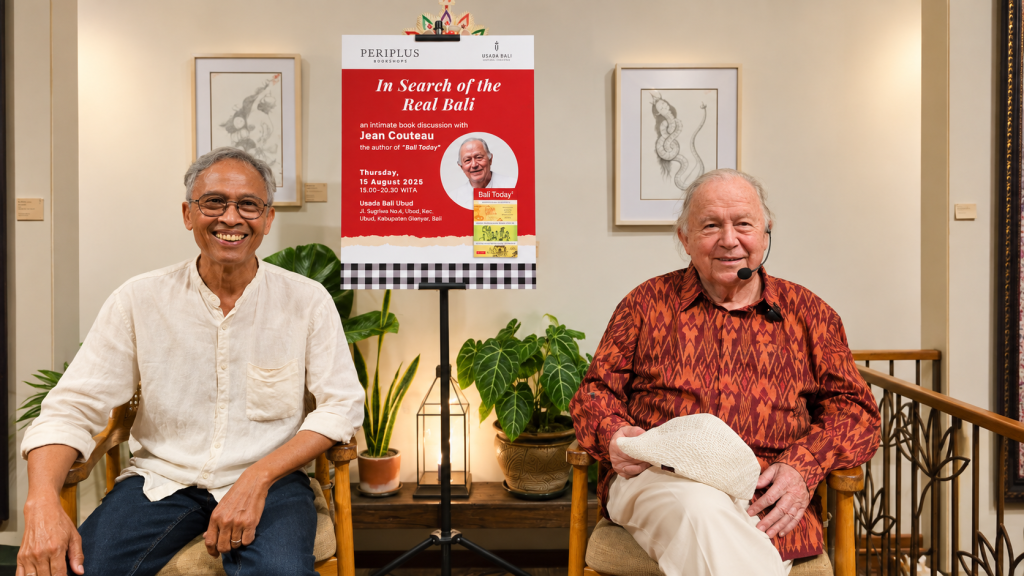
It is a philosophy that becomes immediately apparent during his evening at Usada. Michael greets the room with warmth, thanking everyone for coming, from yoga teachers and wellness practitioners to first-time visitors and an inspiring 85-year-old lifelong learner whose enthusiasm for knowledge is as vibrant as ever.
The atmosphere is relaxed, conversational and full of curiosity. Questions flow freely, often leading the discussion in unexpected directions, while Michael responds with the ease of someone equally comfortable quoting ancient Sanskrit texts and discussing modern neuroscience. His teaching style is engaging, playful and deeply informed, making complex ideas accessible without oversimplifying them.
It is perhaps this balance of scholarship and humility that makes Michael’s work so compelling.
Michael’s presentation, Sages to Science, explores the remarkable parallels emerging between Ayurveda and contemporary scientific research. “When I first gave this talk,” he explains, “it was more about poking fun at Western medicine and its tendency to claim discoveries that Ayurveda had already described thousands of years ago.”
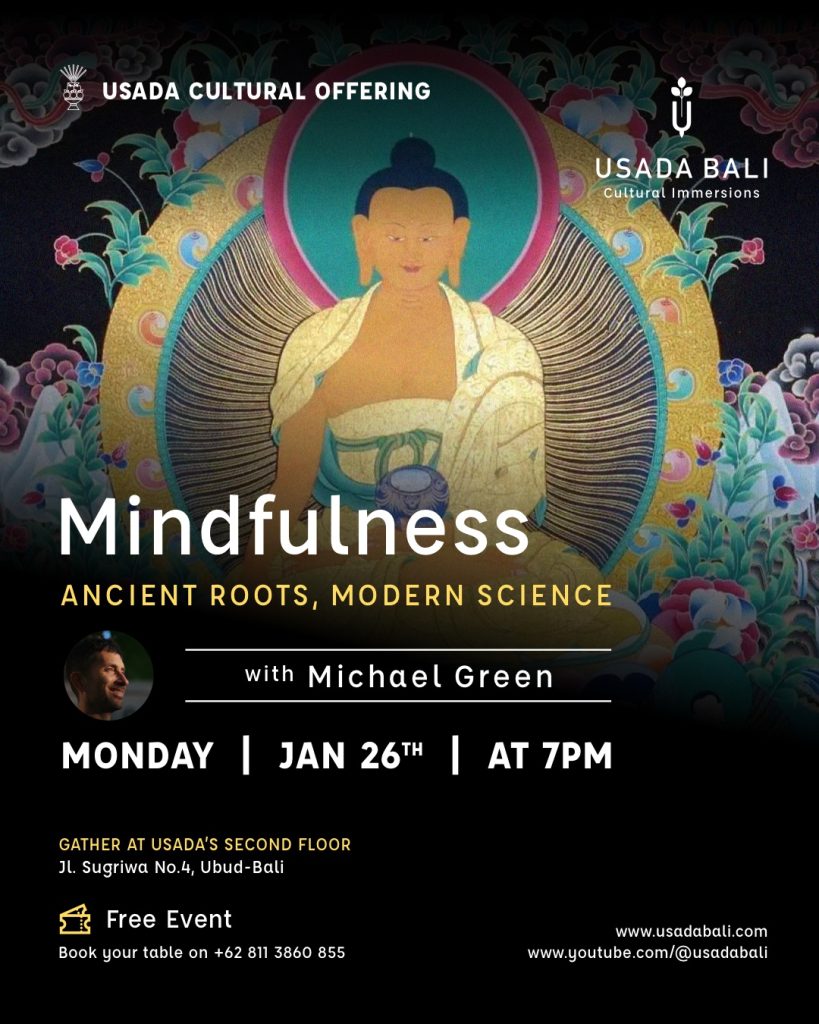
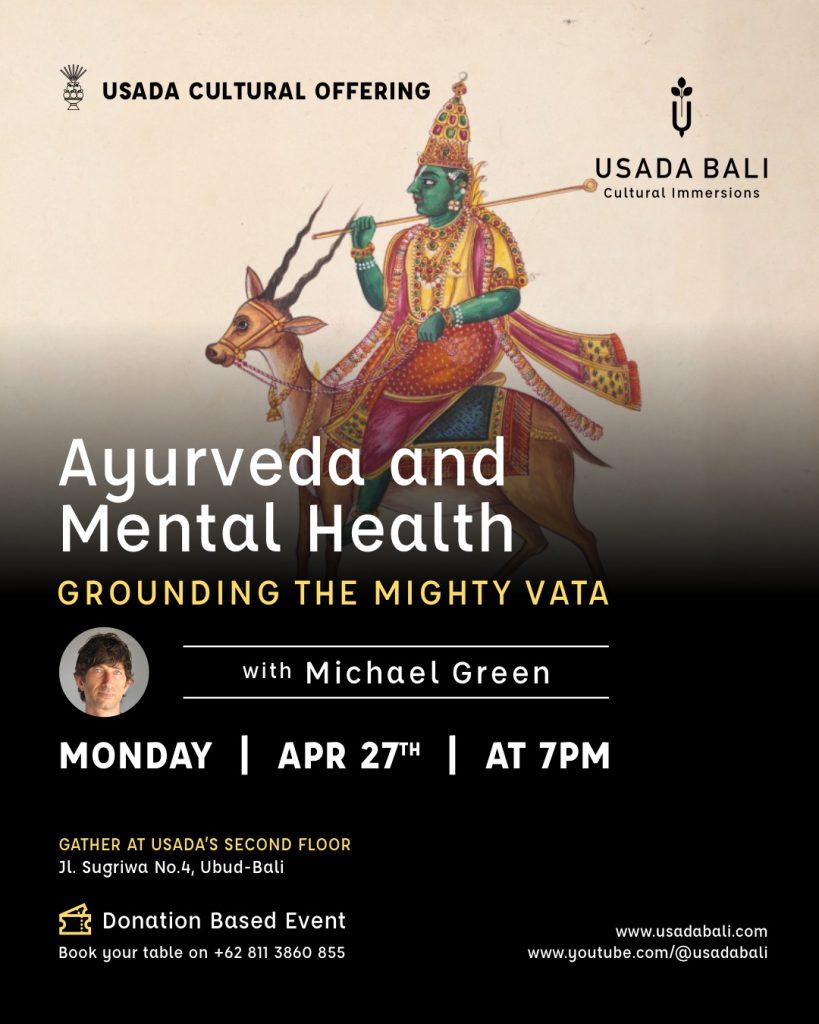
Over time, however, his perspective has evolved. “Now I see it differently. It doesn’t really matter who discovered it first. What matters is that this knowledge is becoming available to more people.” Rather than positioning ancient wisdom against modern medicine, Michael sees the two as increasingly arriving at similar conclusions through different pathways.
From gut health and circadian biology to stress physiology and the nervous system, research continues to validate principles that have long formed the foundation of Ayurvedic medicine. For Michael, this convergence represents something larger than scientific validation. It reflects a shared human pursuit of understanding health and wellbeing.
Michael speaks openly about his own path into Ayurveda, one shaped not only by intellectual curiosity but by personal experience. Ayurveda offered an entirely different way of understanding health.
That experience continues to shape the way he teaches today. “I’ve realised I have a knack for it,” he reflects. “But it’s also taught me constant humility. The more I learn, the more I realise how much I don’t know.”
He compares learning Ayurveda to learning a new language. “You can pick it up quickly, but when you start speaking with a native speaker, you suddenly realise just how much there is still to learn.” Rather than discouraging him, that humility has become one of his greatest teachers.
Throughout the evening, Michael moves effortlessly between ancient philosophy and modern scientific discoveries, explaining complex concepts with stories, humour and everyday examples. He believes knowledge is remembered not simply because it is accurate, but because of the emotional experience that accompanies it.
“When you learn something with excitement, you remember it.” It is a principle many educators intuitively understand. Facts presented without connection are quickly forgotten, while ideas delivered with curiosity, laughter and genuine engagement tend to stay with us.
Perhaps this explains why the audience remains captivated throughout the evening, often interrupting with enthusiastic questions and observations. At one point, Michael laughs that the audience is doing more talking than he is. Far from disrupting the presentation, these conversations become part of the learning itself.
One of the evening’s recurring themes is that Ayurveda has never existed in isolation. Michael recounts how, during the eighth century, the Tibetan emperor sought to establish a comprehensive medical system by inviting physicians from India, China and Persia.
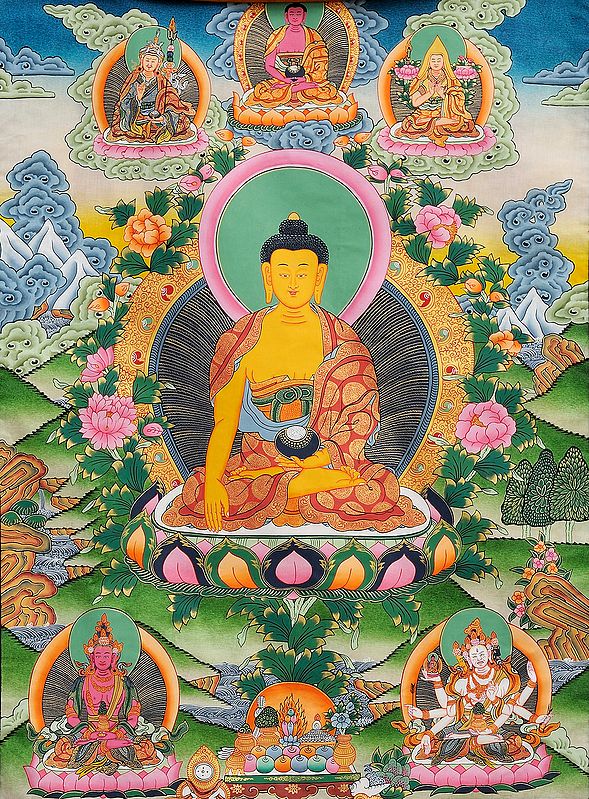
Rather than selecting one tradition over another, the knowledge was integrated, giving rise to what we now know as Tibetan medicine. For Michael, this story offers an important lesson. Healing traditions have always evolved through dialogue rather than division.
Today, he sees a similar process unfolding as modern science increasingly investigates areas that Ayurveda has explored for millennia, from the microbiome and immune function to circadian rhythms, trauma and the intimate relationship between body and mind. The goal is not to prove one system superior to another, but to recognise where they enrich each other.
Perhaps the most striking quality of Michael’s teaching is his willingness to embrace uncertainty. Despite decades of study, he rarely speaks with absolute certainty or rigid dogma. Instead, he approaches Ayurveda as a lifelong practice of observation, reflection and continual learning.
That openness resonates deeply with the ethos of Usada. Healing is rarely about finding a single answer or a universal solution. It is about cultivating awareness, understanding our individual nature and learning to live in greater harmony with ourselves and the world around us.
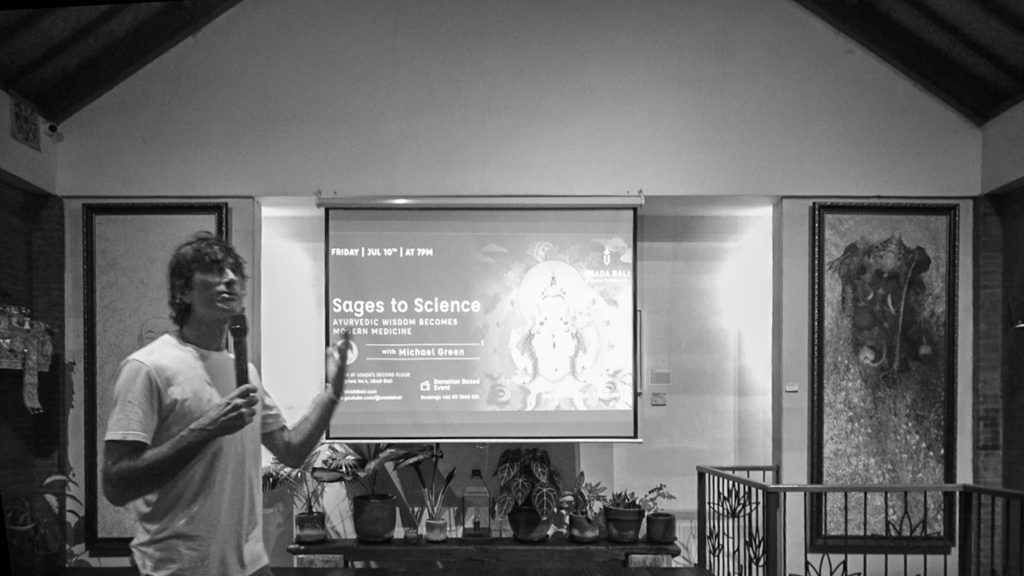
As the evening comes to a close, conversations continue long after the formal presentation has ended. Small groups gather to exchange ideas, ask questions and reflect on what they have learned.
It seems fitting. For Michael Green, Ayurveda is not simply a body of ancient knowledge to be memorised. It is an invitation to remain curious. In a world often searching for quick fixes and definitive answers, that may be one of its greatest teachings.
For more articles on Michael Green, read more.