Bhutan Story with David Metcalf is a conversation on culture, governance and continuity.
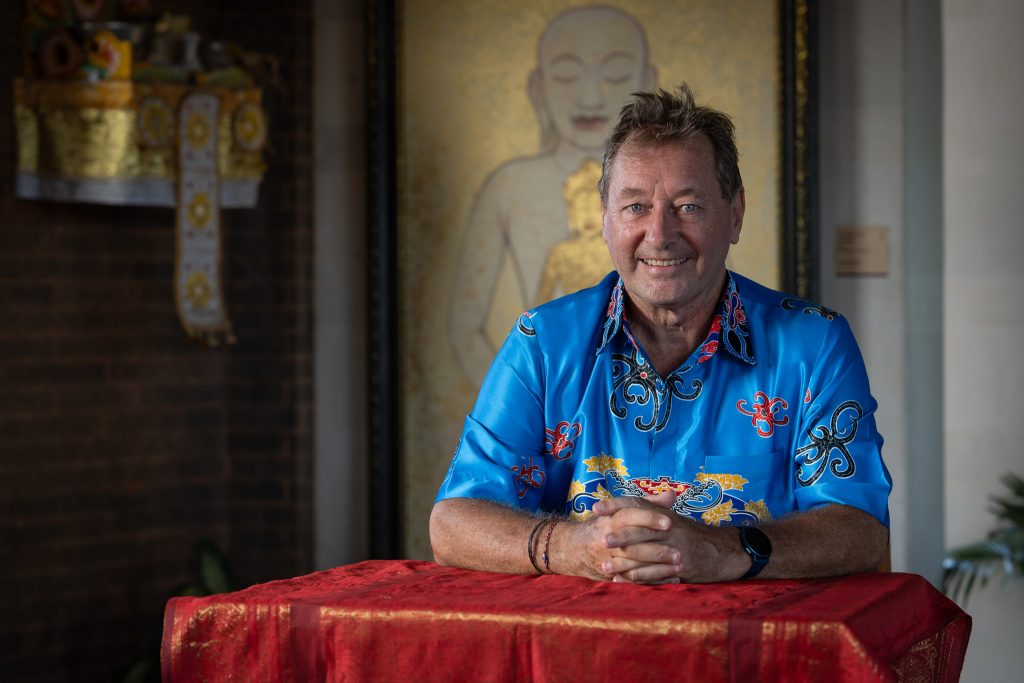
At Usada, cultural programming continues to grow through ongoing collaborations with practitioners who bring lived experience into the space. David Metcalf, photographer and visual anthropologist, joins as a community partner, presenting regular photography highlights alongside cultural talks drawn from his travels.
His work offers a grounded lens into place, culture, and continuity. This month, we focus on his impressions of Bhutan. Bhutan is often described through its policies or philosophy, but for David, the impression is immediate.
“It’s very obvious when you’re there,” he says. “People care about their country.” That sense of care extends across governance, culture, and daily life.
In Bhutan, leadership remains closely engaged with national development. David observes a visible connection between the monarchy and the public, alongside initiatives that support long term social and cultural investment. The country provides education and healthcare without cost, and it channels revenue from tourism back into infrastructure and community wellbeing.
David points to arts initiatives supported at a national level, including programs that give young people access to creative training. These structures allow emerging artists to develop skills regardless of financial background.
“There’s a sense that the future is being considered,” he observes.
Bhutan manages tourism with clear intention. Visitors pay a daily sustainable development fee that contributes directly to the country’s economy and public systems. The government requires all visitors to travel with licensed local guides, and these roles carry both responsibility and respect.
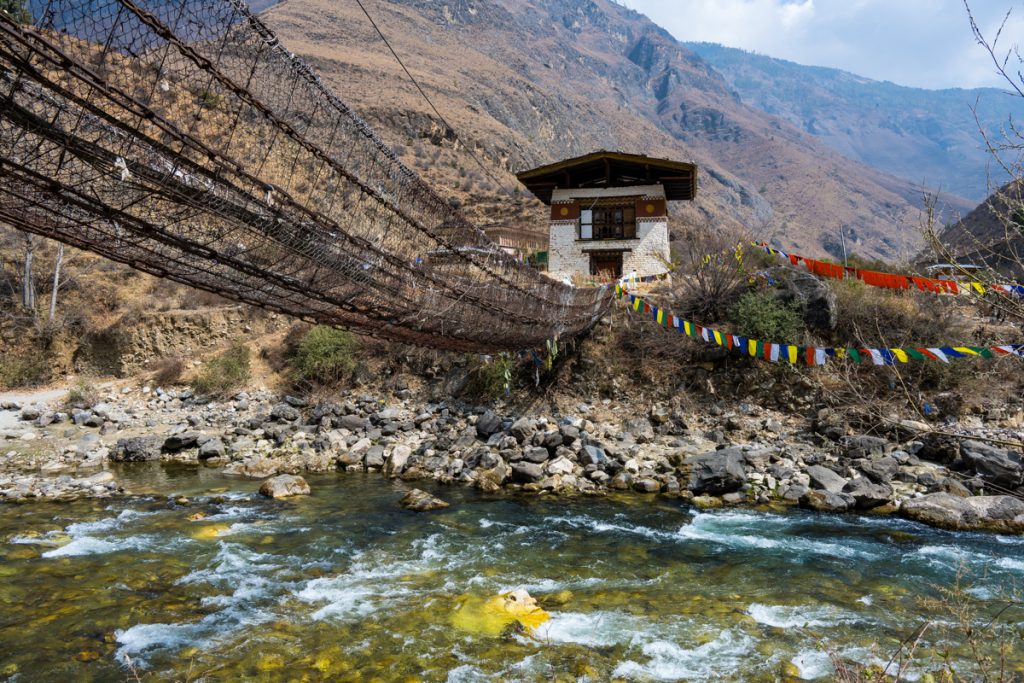
Guides train to a high standard and act as cultural intermediaries. They communicate context, not just information. This structure ensures consistency in how visitors experience and understand the country.
Environmental policy also plays a central role. The constitution protects a significant portion of Bhutan’s land as forest, reinforcing a national commitment to conservation. Together, these systems prioritise sustainability over volume.
Bhutan’s relative isolation has supported cultural continuity. The country has experienced limited large scale conflict, allowing architecture, monasteries, and traditional practices to remain intact. Many structures date back centuries and continue to function within contemporary life.
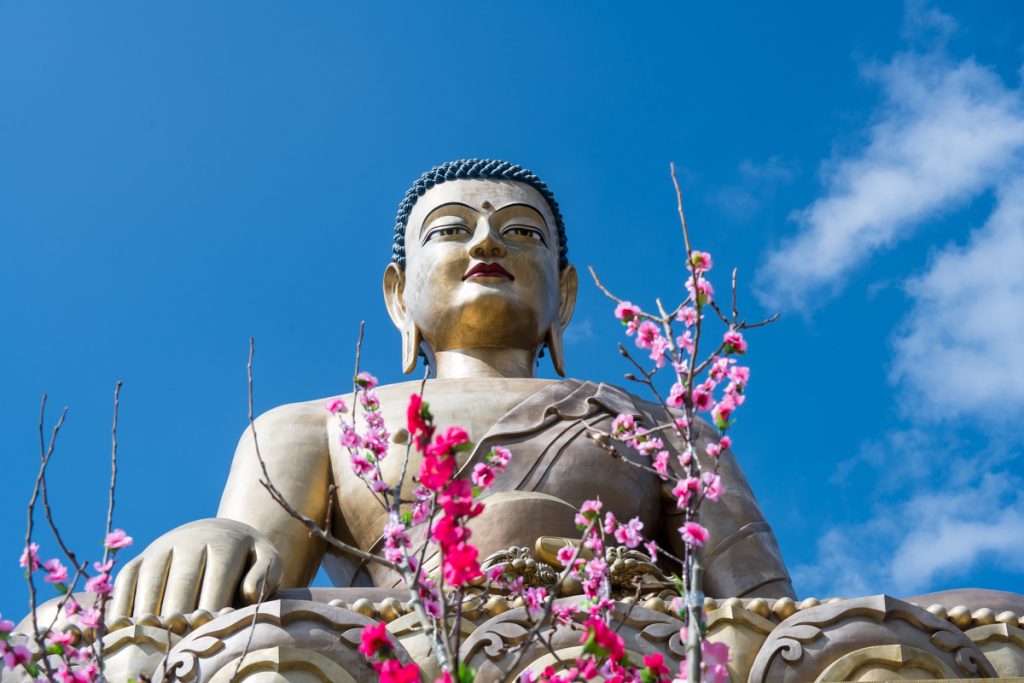
Buddhism plays a central role. David notes a strong and visible reverence for the Buddha, not only within temples but within everyday life. Religion informs the social structure rather than sitting apart from it.
There are parallels with Bali, where spiritual life also integrates into daily rhythms. The expression differs, shaped by distinct traditions, yet both reflect cultures where practice remains lived rather than symbolic.
Bhutan’s population remains under one million. David’s experience with local guides reflects a structured education system and a high standard of training within the tourism sector. Both his guide and driver demonstrated strong communication skills and cultural knowledge.
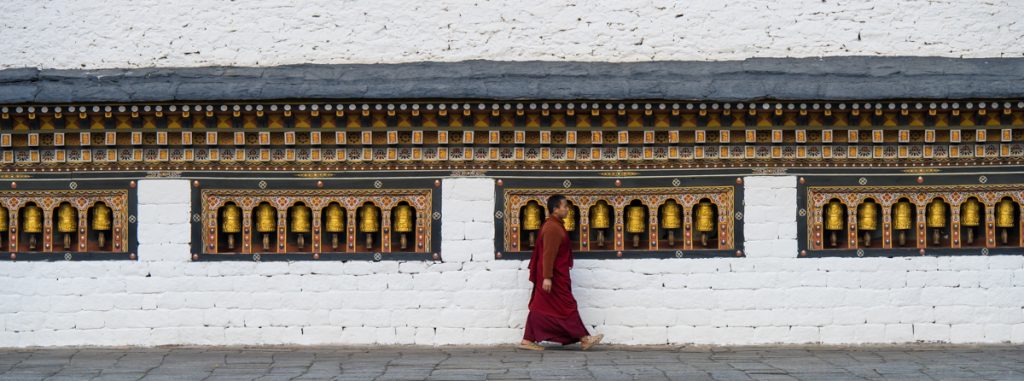
The requirement for licensed guides creates employment while reinforcing the transmission of cultural understanding to visitors. “These roles are taken seriously,” he notes.
Bhutan maintains a national commitment to organic agriculture. Food reflects this approach. It is locally sourced, minimally processed, and closely connected to the land. While simple in preparation, it supports overall health and sustainability.
“It’s not complex food,” David says, “but it’s very clean and very real.”
Bhutan often defines progress through happiness and wellbeing rather than economic growth alone. In practice, this approach shapes policy. The government prioritises environmental protection, public health, education, and cultural preservation alongside economic development.
This creates a system that focuses on long term balance.
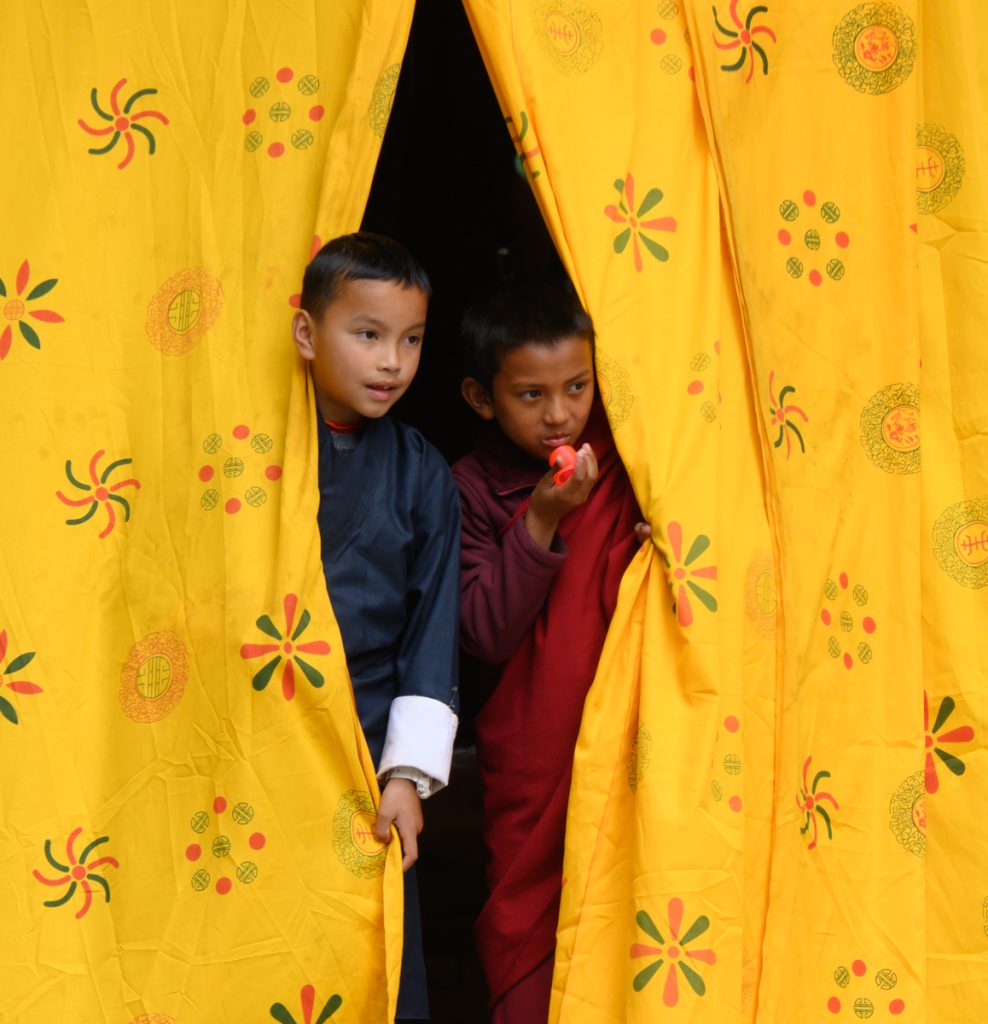
After Bhutan, David travelled to Dhaka. The shift was immediate.
He moved from a controlled, low impact environment into one of the most densely populated and polluted urban centres in the region. The contrast highlighted differences in infrastructure, environmental management, and urban pressure. “It changes very quickly,” he notes.
David plans to return to Bhutan, with a focus on its eastern regions. These areas hold nomadic communities and local festivals that continue long standing traditions. Reaching them requires careful timing, but offers deeper insight into regional cultural life.
Bhutan rewards that kind of attention. “It’s a place that holds together in a very particular way,” he says.
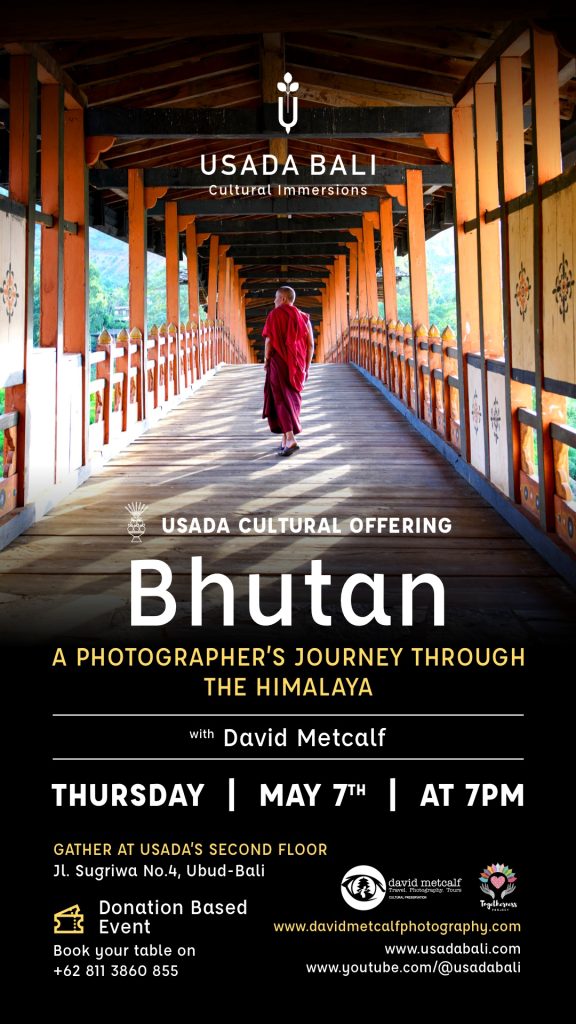
At Usada, we look forward to continuing this conversation through David’s photography and cultural talks. His ongoing collaboration brings these perspectives into the space, creating opportunities to engage more deeply with place and culture.
We invite you to join us for upcoming talks and presentations as part of this continuing series.