What Does it Mean to be Well? is written by By Dian Dewi
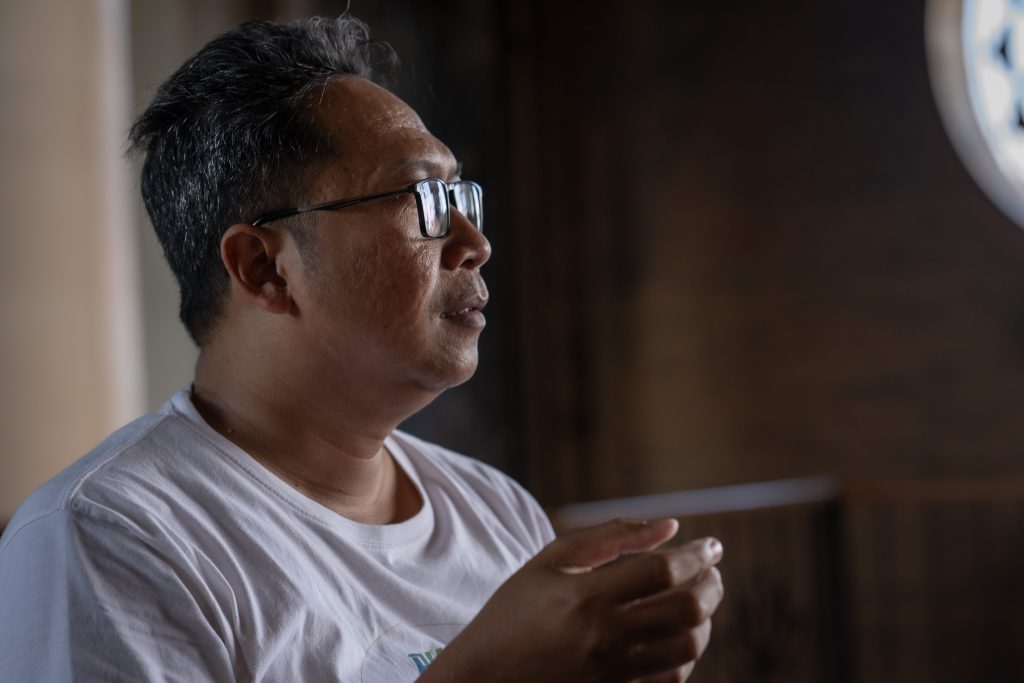
Dr. Krisnawan. Co-Founder of UbudCare Wellness, General Practitioner and Pranic Healing Practitioner and Instructor. Dr.Krisna shares his knowledge and experience through talks and workshops at Usada, Bali.
A recent evening discourse at Usada explored a question that feels increasingly relevant in contemporary life: why do so many people struggle internally while appearing perfectly capable on the surface?
This was the second occasion that Dr. Krisna has shared his knowledge and experience with the Usada community, and once again the response reflected the respect and affection he has earned over many years of service. Guests arrived with genuine enthusiasm, and the warm welcome he received spoke volumes about the regard in which he is held. His ability to bridge medical knowledge with broader conversations about human wellbeing continues to resonate with people from many different walks of life.
We live in an age of remarkable convenience. Technology allows us to communicate instantly across continents, access information at any moment, and accomplish tasks that would have been unimaginable only a generation ago. Yet despite these advances, many people describe a growing sense of overwhelm. They find it difficult to switch off, rest deeply, or feel fully present in their own lives. The pace of modern living continues to accelerate, while opportunities for reflection and recovery have become increasingly scarce.
Throughout the evening, we considered how these pressures are shaping our daily experience and in turn influence our sense of wellbeing.
One theme emerged repeatedly throughout the conversation: modern life rarely gives us permission to pause. Human beings evolved within environments that naturally alternated between activity and rest. Today, however, many of us move from one form of engagement to another without interruption. News cycles operate around the clock, social media competes for our attention, and the boundaries between work and personal life continue to blur.
As a result, many people spend long periods in a state of subtle activation ( a state of mental over stimulation) without recognising it. They become accustomed to feeling busy, distracted, and mentally occupied, often assuming this is simply how life is meant to feel.
One observation that particularly resonated with the audience was Dr. Krisna’s reminder that “the body and mind are constantly in conversation.” While modern healthcare often separates physical symptoms from emotional experience, he encouraged participants to consider how stress, worry, and unresolved emotional strain frequently manifest within the body itself.
The evening also challenged a common assumption: that external success automatically leads to inner contentment.
Many people appear successful by conventional measures. They build careers, create families, accumulate achievements, and meet the expectations placed upon them. Yet beneath the surface, they may still experience anxiety, exhaustion, loneliness, or a persistent sense that something is missing.
Achievement can provide comfort and opportunity, but it does not necessarily answer deeper questions about meaning, connection, or purpose. These questions continue to accompany us regardless of our circumstances.
The conversation encouraged participants to reconsider their relationship with stress. Stress itself is not the problem. In many situations, it helps us respond to challenges, adapt to changing circumstances, and perform effectively. Difficulties arise when activation becomes our default state rather than a temporary response.
When the body and mind rarely experience opportunities to recover, stress gradually influences every aspect of life. Sleep becomes disrupted. Concentration weakens. Relationships suffer. Small challenges begin to feel disproportionately difficult. Many people have become so accustomed to this state that they no longer recognise it. They simply accept feeling overwhelmed as normal.
Rather than searching for a quick solution, the evening repeatedly returned to a more fundamental principle: awareness. Before we can change anything, we must first recognise what is happening. How do we respond when life becomes difficult? What habits restore our sense of balance? Which environments nourish us, and which ones drain us? What patterns do we continue to repeat?
These questions may appear simple, yet they often reveal more than complex theories ever can. Awareness creates the space in which new choices become possible.
One of the most refreshing aspects of the discussion was its emphasis on practical realities. Rather than focusing on dramatic interventions, the conversation highlighted the cumulative impact of everyday choices.
The quality of our sleep and the food we eat. The relationships we nurture, time spent outdoors as well as the moments we dedicate to stillness all contribute to our wellbeing. None of these practices are revolutionary. Yet together they create the foundations upon which resilience is built. The challenge is rarely understanding their importance. The challenge lies in remembering to return to them consistently.
This is all reminder about the importance of responsibility to oneself. As Dr. Krisna observed, a practitioner may spend an hour with a client, but the remaining twenty-three hours belong to the individual. Lasting change therefore depends not only on treatment or advice, but on the daily choices we make and the habits we cultivate.
As the evening drew to a close, the atmosphere remained one of curiosity, generosity, and genuine engagement. Questions continued long after the formal presentation had ended, reflecting the audience’s enthusiasm for a topic that touches every aspect of modern life.
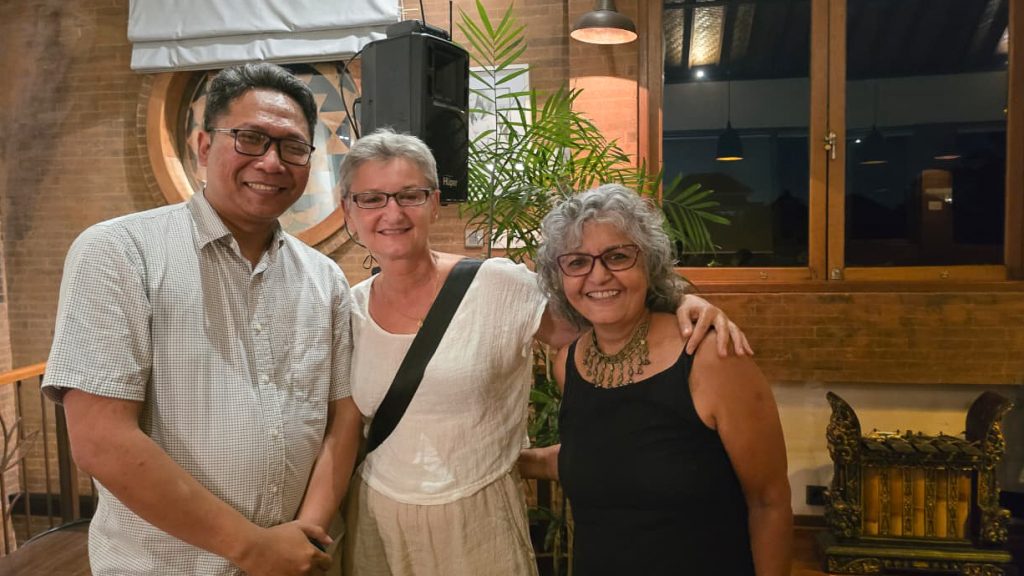
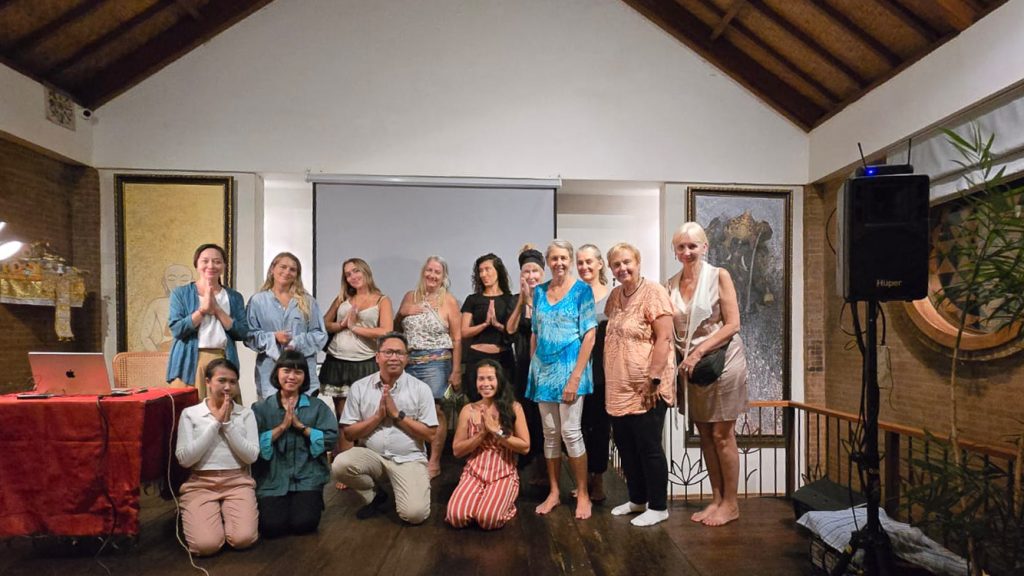
More than a lecture, the gathering felt like a shared exploration of questions many people are quietly asking themselves. How do we remain balanced in an increasingly demanding world? How do we care for ourselves beyond simply treating symptoms? And how do we cultivate greater awareness amidst the distractions of contemporary life?
Usada is fortunate to host these ongoing conversations and grateful for Dr. Krisna’s generosity in sharing his experience, knowledge, and insights with our community. Judging by the warmth of the audience response, this dialogue is far from over, and we look forward to welcoming him back for future discussions.
You may enjoy other articles exploring health and wellness with Dr. Krisna at Usada.